





Tariff Talks Begin Between US and Chinese Officials in Geneva: The World Looks for Signs of Hope
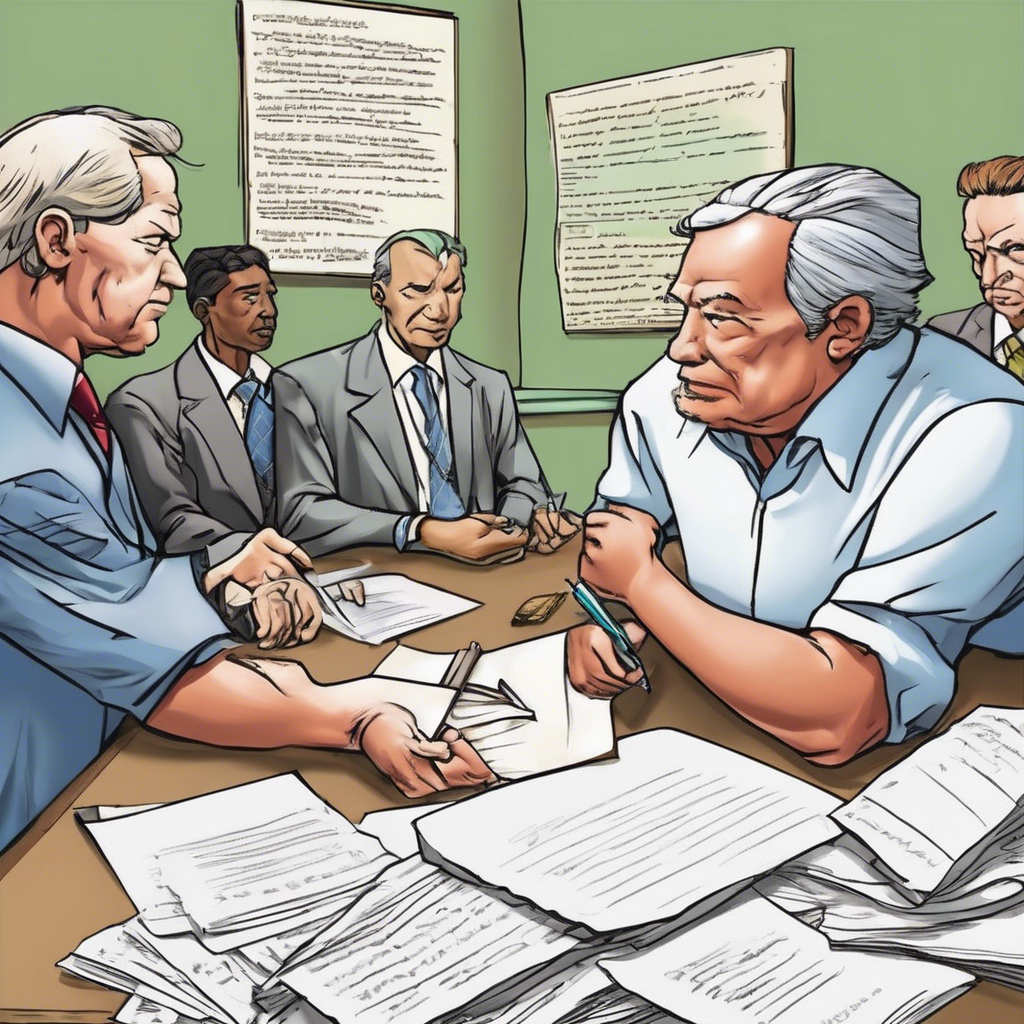
In a historic moment for international economic relations, US and Chinese officials have convened in Geneva to restart tariff negotiations that have long been a point of contention in what many have dubbed the “trade war.” As the world watches with bated breath, the outcomes of these discussions could dictate not just the future of US-China relations, but also influence global markets and economies. 🤝🌍
The Stakes Are High
As of now, tariffs imposed on more than $600 billion worth of goods have strained relationships and impacted businesses and consumers on both sides of the Pacific. In the US, prices on everyday staples have risen, and industries such as agriculture have suffered significant losses, while Chinese exports have faced decreased demand. The repercussions of these tariffs have echoed beyond the borders of the two nations, creating ripples that have affected global supply chains and dampened economic growth worldwide.
“These negotiations represent a fragile but critical juncture between two of the world’s largest economies,” says Dr. Henry Chen, a leading economist specializing in Asian markets. “Any signs of progress—or a lack thereof—could set off waves through global stock markets.” 📈
A Look at the Current Landscape
The opening discussions in Geneva come at a time when both sides are feeling the pressure. Recent data indicates that economic growth in China has slowed considerably, and the US is experiencing heightened inflation rates that many attribute to the ongoing trade tensions. According to the International Monetary Fund, global growth is projected to remain subdued, with an estimated GDP growth of just 3.2% for 2024 if current trends continue.
- Global Dependency: Over 40% of global trade flows are tied to US-China relations, highlighting the interconnected nature of international economies. 🌐
- Market Reactions: Following the announcement of these talks, US stock markets experienced a modest uptick, indicating investor optimism that a favorable resolution might be on the horizon. 📊
Challenges Facing Negotiators
Despite the glimmers of hope, the talks are fraught with challenges. Beyond the complexities of tariffs, issues such as intellectual property theft, forced technology transfers, and human rights concerns linger ominously. Analysts predict that while both countries may agree on surface-level concessions regarding tariffs, significant sticking points are likely to emerge.
“Each side has its own set of priorities and grievances, making a comprehensive agreement challenging,” explains international trade lawyer Sarah Lewis. “The intricacies of these negotiations can’t be underestimated.” 🔍
What to Watch For Moving Forward
As the negotiations unfold, several key indicators will provide insight into each side’s willingness to compromise:
- Joint Statements: Look for any shared commitments or language signaling support for tariff reductions or other economic cooperation initiatives.
- Market Reactions: Pay attention to stock market fluctuations following announcements, which may signal investor confidence in the negotiations.
- Broader Implications: The outcomes of these talks may influence other nations, particularly emerging markets, and their trade agreements with either China or the US. 🌏
A Beacon of Optimism
While the challenges ahead are daunting, the very act of resuming negotiations signals a willingness from both sides to pursue dialogue and avoid the escalation of tensions. Perhaps what the world needs most right now is a reminder that diplomacy, though fraught with complications, can still pave the way for progress. As the talks continue in Geneva, all eyes remain keenly focused on the evolving narrative, hoping for a favorable outcome that brings stability to the global economy. 🕊️


I think both countries should just hug it out and call it a day. Tariffs are so last season! 🤷♂️
I think the US should just cancel all tariffs and have a dance-off with China instead. That would solve everything!
I think tariffs are just a band-aid solution. We need more innovative strategies for global economic stability. Lets think outside the box!
I think both countries should just settle this with a game of rock-paper-scissors. It would be way more entertaining!
I think the US should just go all in and impose hefty tariffs on all Chinese imports. Lets shake things up!
Is it just me, or does anyone else feel like this tariff talk is just a never-ending rollercoaster of uncertainty? 🎢🤔
Its exhausting, but we just have to hold on tight and hope for the best. 🤷♂️
Isnt it crazy how these tariff talks could totally shift the global economy? Cant wait to see how it all plays out!
I think both countries should just settle this with a rock-paper-scissors tournament. Winner gets to set the tariffs! 🤷♂️
Do you think the US-China tariff talks will lead to a breakthrough or just more empty promises? The global economy is holding its breath!
Im not convinced these tariff talks will lead to any real change. It feels like a never-ending cycle of negotiations without tangible results.
Is this just political theater or are we actually on the brink of a global economic shift? Exciting times ahead!
Do you think these tariff talks will actually lead to a positive outcome, or are we just in for more economic uncertainty? 🤔
Im not convinced these talks will lead to a real resolution. The tension seems too high for a quick fix.