


Judge Rules Trump’s National Guard Deployment in LA Protests Illegal
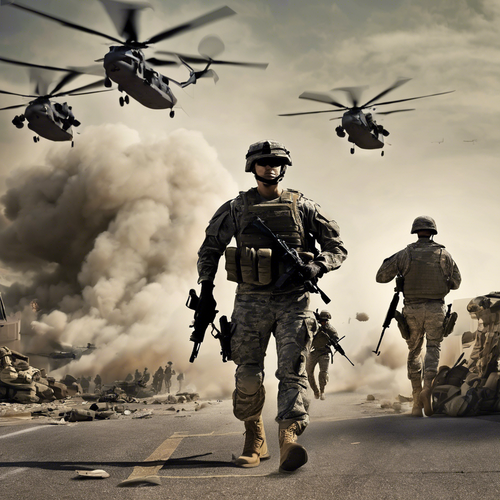
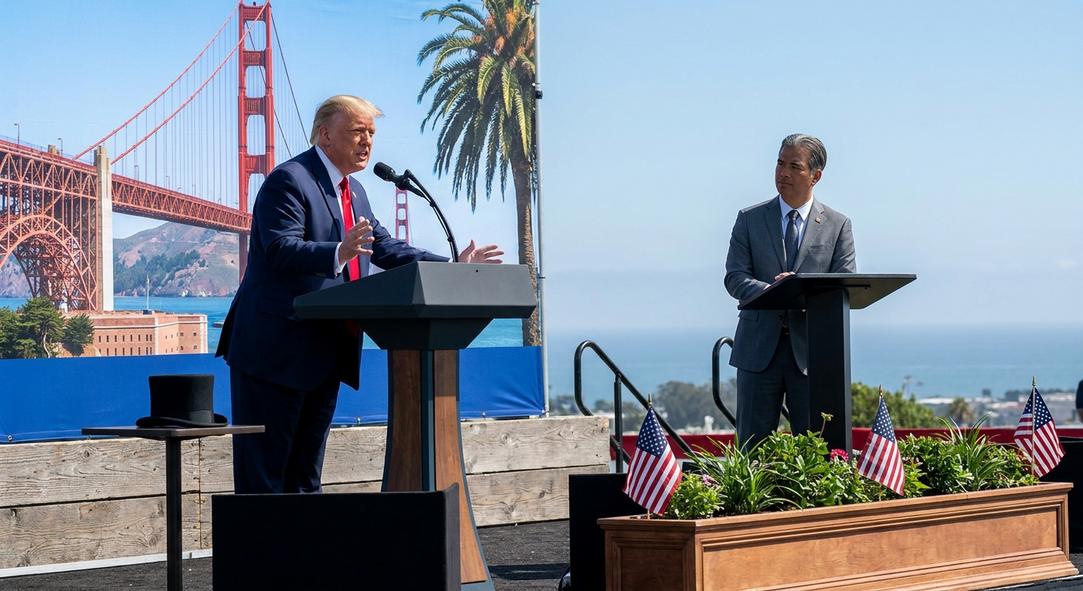
The Los Angeles protests in the summer of 2020 saw a dramatic escalation when then-President Donald Trump deployed the National Guard to assist local law enforcement. However, a recent ruling by a federal judge has ignited heated discussions over the legality of that deployment, ordering the government to return control of the forces to state authorities. 🏛️✨
In a decision that resonates deeply within the context of civil liberties and government overreach, U.S. District Judge Caroline C. Lee asserted that Trump’s actions violated federal law as well as the rights of citizens engaging in peaceful protest. Her ruling underscores the delicate balance of power between federal authority and states’ rights, especially when it comes to the deployment of military personnel on domestic soil.
A Historical Context for Federal Intervention
The deployment of the National Guard has often been viewed through a lens of necessity in response to civil unrest. Historically, the 1960s saw the Guard deployed during the Civil Rights Movement, most notably in reaction to protests against racial segregation. Fast forward to 2020, and the urgency surrounding the protests against police brutality and systemic racism raised similar questions regarding the appropriate response from government entities.
According to data from the Bureau of Justice Statistics, police response to protests that escalate into riots often involves escalating force, which can include the utilization of National Guard troops. However, the legality and implications of such actions remain contentious, particularly when considering the First Amendment rights of protestors. ⚖️
The Details of the Ruling
In her ruling, Judge Lee pointed to significant gaps in the federal government’s justification for deploying troops. The judge emphasized that the local government had not requested federal military assistance, which is a critical factor in ensuring compliance with the Posse Comitatus Act—legislation designed to limit the use of federal troops in domestic law enforcement. The Act, enacted during Reconstruction, aligns with ideals surrounding individual freedoms and the separation of military and civil law enforcement. 📜
“The deployment of the National Guard without express permission from state officials compromises the core values upon which our democracy rests. Law enforcement should not mirror military engagement tactics during civil protests,” stated Judge Lee in her decision.
Implications for National Security and Civil Liberties
The ruling has sparked a debate about the broader implications for national security, individual rights, and the role of the military. While proponents of a strong federal response argue that swift action is critical for public safety during volatile protests, civil rights advocates caution against the militarization of public spaces.
Data from organizations like the American Civil Liberties Union (ACLU) highlights that militarization often leads to increased tensions between communities and law enforcement. As protests continue to erupt across America, the reliance on military-style intervention could further alienate citizens from those sworn to protect them. 🌍✊
The Response from State Officials
Responses from local leaders have varied, with some praising the ruling as a victory for civil liberties, while others emphasize the need for federal assistance in maintaining public safety during emergencies. Los Angeles Mayor Eric Garcetti criticized the federal government’s approach, stating, “We need collaboration, not confrontation, in addressing the social turmoil plaguing our communities.” 🤝
A Nation Divided: Civil Response and Future Protests
As the ripple effects of this ruling unfold, Americans will be watching closely how both federal and state governments navigate the complex web of rights and responsibilities regarding protest enforcement. The ruling raises pressing questions: How can cities maintain order during heated protests while respecting the constitutional rights of citizens? What protocols need to be established to govern potential future encounters between federal forces and local communities?
In the wake of this decision, protests have continued in various forms across the United States, showcasing a blend of frustration and hope. As citizens take to the streets, the spotlight shifts to the balance of power and the principles that govern our democracy moving forward. The choice of tactics can shape not only the events of the moment but also the very fabric of the nation itself. 🇺🇸✨
I think the judges ruling was a bold move. But, what if federal intervention was necessary to prevent chaos? #controversialopinion #NationalGuardLA
I think the judges ruling is spot on! Federal intervention should always be scrutinized to protect civil liberties. Freedom first!
I think the judge made the right call. National Guard in LA protests just escalates tensions. Lets focus on peaceful solutions.
I think the judges ruling was biased. National security should come first, even if it means stepping on some civil liberties.
Do you think the judges ruling on the National Guard deployment was fair, or do you believe its an overreach? Lets discuss!
I think Trumps National Guard deployment was justified for public safety. Civil liberties matter, but so does protecting citizens.
Do you think federal intervention in protests is necessary for national security or a violation of civil liberties? Lets discuss!
Wow, the National Guard deployment in LA is causing quite the stir! Do you think Trump overstepped his boundaries or was it necessary for national security?
Wow, this legal battle is intense! Do you think federal intervention is necessary or infringes on civil liberties? Lets discuss!
Wow, can you believe the drama unfolding with the National Guard deployment in LA? What are your thoughts on the legality of it all?
Is it just me or does this ruling feel like a major plot twist in a political drama? Cant wait to see how it unfolds!
Just grab your popcorn and enjoy the show! Politics never fails to entertain us.
Do you think the judge made the right call on the National Guard deployment? Whats your take on the implications for national security?
Im torn on this – is federal intervention justified for national security or a violation of civil liberties? What do you all think?
Do you think the judge made the right call on Trumps National Guard deployment? Could this set a precedent? Lets discuss!
The judge made the right call. Setting a dangerous precedent of using military for political gain.
Can you believe the legal drama unfolding in LA with the National Guard? Thoughts on the judges ruling? Crazy times were living in!