






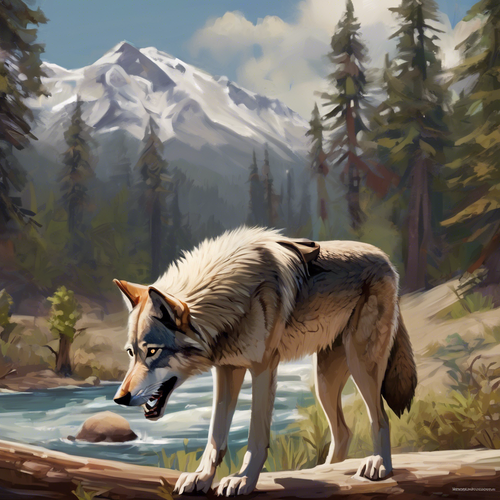
California’s Wild Wolf Population is Howling Back
Once a lingering echo in the shadows of the Sierra Nevada, the howl of the gray wolf is becoming a more frequent visitor to California’s wild landscapes. This resurgence is not merely a return of an apex predator but a profound statement about the state’s wildlife conservation efforts and ecological health. 🌲🦊
As of late 2023, California’s wolf population has made a remarkable comeback, with estimates suggesting that around 15 to 20 wolves now roam the state. These wolves, descendants of those that were driven to near-extinction in the 20th century, represent a significant milestone in wildlife management, bringing hope for biodiversity restoration. Their presence raises questions about the balance of ecosystems, the impact on prey populations, and the complexity of coexistence with human activity.
The Road to Recovery: Historical Context
Gray wolves were nearly eradicated from the contiguous United States by the mid-1900s due to hunting, habitat loss, and governmental eradication programs aimed at protecting livestock. Conservationists set out to correct this course in the 1990s, initiating efforts to reintroduce wolves in Yellowstone National Park. This landmark effort not only aimed to bolster wolf numbers but also sought to restore ecosystems disrupted by their absence.
California, previously absent from these reintroduction efforts, nevertheless began to see wolves crossing into its borders from neighboring states in the early 2010s. The first confirmed sighting in California occurred in 2011, and since then, these majestic animals have slowly begun to establish small, stable packs. The gray wolf’s population in California is still fragile; however, their adaptability in navigating the state’s diverse habitats bodes well for their future. 📊
Challenges on the Path to Coexistence
The success of wolf populations in California does not come without challenges. Livestock predation remains a primary concern for farmers and ranchers, often sparking tensions between agricultural interests and conservation goals. In the past few years, incidents of wolves attacking livestock have increased, leading to calls for management solutions that could balance ecosystem restoration with the economic livelihoods of locals.
Strategies such as non-lethal deterrents—like guard dogs, fencing, and noise devices—are being promoted to mitigate these conflicts. California’s wildlife agencies are also exploring compensation programs for ranchers who suffer losses due to wolf attacks, striking a balance between conservation and the needs of the agricultural community. 🐑
Ecological Impact and the Importance of Biodiversity
The return of wolves to California is about more than just numbers; it symbolizes a restoration of balance within ecosystems. As apex predators, wolves play a crucial role in controlling herbivore populations, which in turn impacts vegetation and overall biodiversity. With their presence, they can help regenerate habitats, promote healthy forests, and reduce overgrazing. The effects of their reintroduction are already being monitored by ecologists and biologists striving to comprehend the long-term ecological ramifications of their return. 🌿
Studies have shown that reintroduced wolves help maintain healthy elk and deer populations, fostering a diverse range of flora and fauna. As these animals roam the landscape, they create a ripple effect—known as a “trophic cascade”—that benefits numerous species and enhances habitat resilience. 🌍
Community Engagement and Conservation Efforts
Engaging local communities in conservation efforts is vital for the sustainability of California’s wolf population. Educational programs targeting schools and community organizations aim to raise awareness about the ecological roles wolves play and reduce misconceptions surrounding these often-misunderstood animals. Wildlife organizations are working to facilitate dialogues between conservationists and ranchers, fostering collaboration that emphasizes mutual respect and coexistence.
“The return of the gray wolf is not just a tale of survival; it’s a narrative about reconnecting with nature and embracing the complexities of our ecosystems,” declares Dr. Lila Fern, a leading conservation biologist. “Understanding and adapting to these changes is essential for preserving our shared habitats.”
Conclusion: A Howl of Hope
California’s wild wolf population is howling back, echoing a story of resilience and renewal as they reclaim their rightful place in the state’s wilderness. Their resurgence is a testament to the triumphs of conservation efforts and the promise of biodiversity restoration. As these majestic creatures navigate their paths through mountains and valleys, they remind us of the delicate balance that must be maintained between nature and humanity, urging us all to work towards a shared future of coexistence. 🐺✨




I think we should prioritize protecting livestock over wolf population growth. Farmers deserve more support and consideration in this debate.
I think we should prioritize protecting livestock over wolves. Farmers livelihoods matter too! Lets find a balance.
I dont understand all the fuss over wolves in California. Theyre just animals, let nature take its course. #UnpopularOpinion
I dont get the hype over wolves coming back. Theyre just gonna cause trouble for farmers and reduce deer populations.
I know wolves are cool and all, but do we really need to bring them back? What about the potential risks to livestock and pets? 🤔🐺
Im all for wolves making a comeback, but what about the potential impact on livestock owners? Lets discuss the balance!
I wonder if increased wolf population could lead to conflicts with livestock farmers. Coexistence might not be easy! What do you think?
Wow, its amazing to see wolves making a comeback in California! Do you think theyll face pushback from ranchers? #ConservationDebate
I cant believe people are still against wolf conservation in California! Wolves are vital for biodiversity and balance in the ecosystem. Let them thrive! 🐺🌿
Im all for wolf conservation, but what about protecting livestock? Can we find a balance? Lets discuss! 🐺🐑 #CoexistenceDebate
I cant believe some people still oppose wolf conservation efforts! Wolves are vital for ecosystem balance. Lets protect these majestic creatures!
I cant believe some people still oppose wolf reintroduction! Wolves are vital to ecosystems and deserve a chance to thrive.