





The Toll of Tariffs: Los Angeles and Long Beach Ports Face Uncertain Future
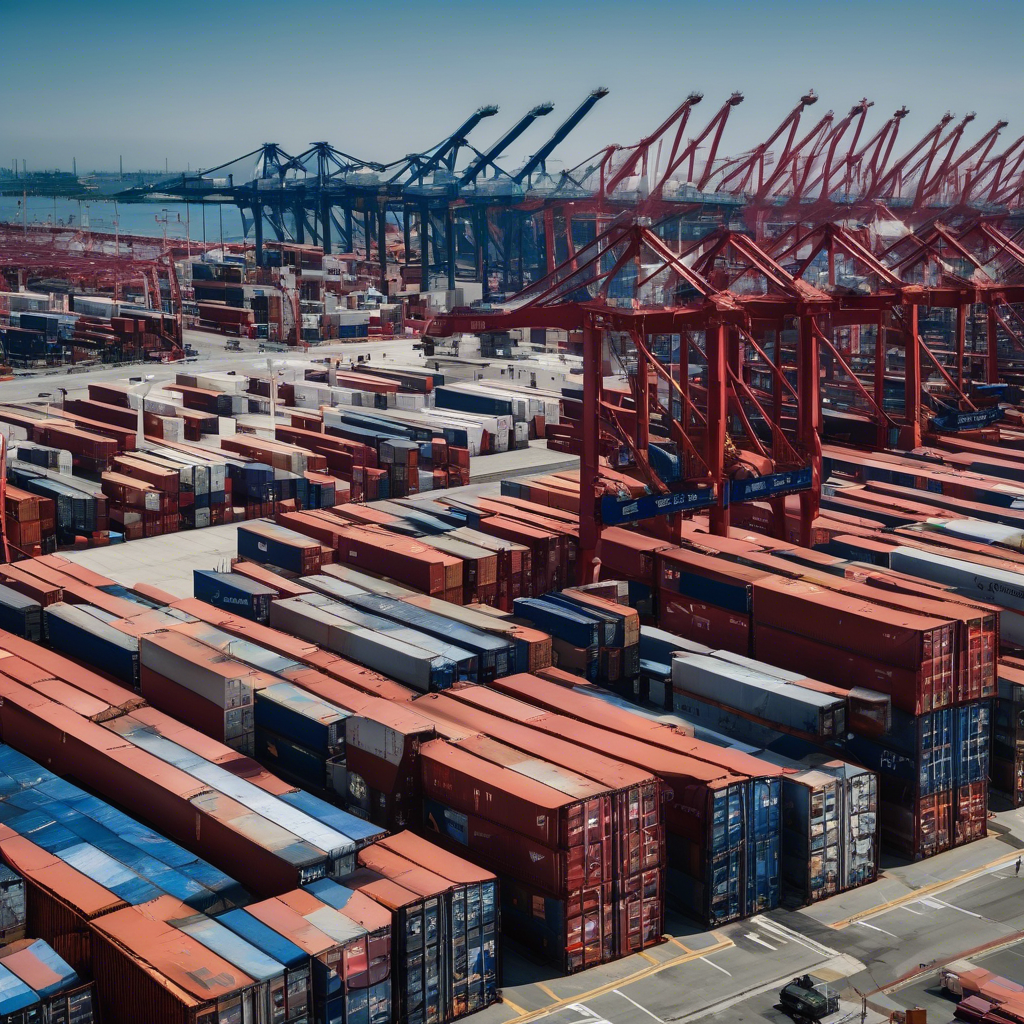
The Ports of Los Angeles and Long Beach, instrumental in America’s trade landscape, are feeling the pressure as ongoing tariffs reshape the dynamics of international shipping. From the bustling docks where container ships unload goods to the business operations reliant on these ports, it’s evident that these tariffs have left a significant imprint on the economy of Southern California. 📦
Recent data indicates a concerning decline in cargo volumes at these ports. In 2022, both ports reported a decrease in overall container throughput, with Los Angeles experiencing a drop of approximately 10% and Long Beach down by about 12%. As tariffs contribute to rising costs, businesses are grappling with the ripple effects, confronting challenges that extend from the docks to store shelves.
The Economic Ripple Effect
The ramifications of tariffs imposed on various imported goods are being felt far and wide. Retail and manufacturing sectors, which depend heavily on shipped supplies, have found themselves in a precarious situation.
- Increased Costs: Operational costs for importers have skyrocketed as tariffs elevate the price of raw materials and finished goods. This surge often trickles down to consumers, manifesting in higher retail prices. 💰
- Supply Chain Disruptions: With changing trade policies and increased scrutiny on imports, companies are facing delays that disrupt supply chain efficiencies. This unpredictability is further exacerbating the challenges associated with inventory management.
- Job Uncertainty: As cargo volumes dwindle, the workforce at these ports is facing potential layoffs. With fewer containers to process, dockworkers and logistics personnel are left wondering about job security in an increasingly volatile market. 📉
Shifting Trade Patterns
The tariffs have also led to a discernible shift in trade patterns, prompting some companies to reconsider their sourcing strategies. Businesses are increasingly seeking alternative markets that offer more favorable trade relations.
- Regional Adjustments: Companies have begun sourcing products from countries not impacted by tariffs, such as Mexico and South America, in an effort to mitigate costs and ensure smoother logistic operations. 🌎
- New Entrants: Emerging markets are witnessing a rise in import/export activity as businesses adapt to the altered landscape, leading to increased competition for established ports like Los Angeles and Long Beach.
Future Outlook: Navigating a Changing Economic Landscape
Looking ahead, the ports must innovate and adapt to retain their competitive edge. Experts suggest that investing in infrastructure improvements and streamlining operations are crucial steps in weathering the tariff storm.
Recommendations for Port Authorities:
- Infrastructure Investments: Upgrading facilities and technology to enhance efficiency could make a substantial difference in handling cargo volume amidst fluctuating demand.
- Strengthening Relationships: Building stronger ties with international partners may foster increased trade routes, allowing for greater flexibility in sourcing and distribution.
- Enhancing Port Operations: Implementing digitized systems for tracking and managing goods can improve turnaround times and service quality, making these ports more appealing for shippers.
“The challenge for the Ports of L.A. and Long Beach is not just about surviving the current tariff environment; it’s about finding ways to thrive amidst uncertainty,” notes industry analyst Mark Thompson. “Without proactive measures, there’s a real risk that they could lose market share to competing ports.”
Community Impact and Stakeholder Considerations
The focus extends beyond mere numbers; the communities surrounding these ports bear the brunt of economic shifts. Local businesses, often intertwined with port operations, also experience the fallout. Efforts must be made to support these communities, ensuring they aren’t disproportionately affected by adverse economic conditions.
- Support for Small Businesses: Initiatives to provide financial assistance or training for local enterprises affected by tariff changes could prove critical.
- Community Outreach: Engaging local stakeholders in discussions about economic strategies and employment opportunities is essential for maintaining community resilience.
Conclusion: Tariff Trends and Future Predictions
The landscape of international trade is constantly evolving, and with it, the fate of the Ports of Los Angeles and Long Beach hangs in balance. While tariffs present a formidable challenge, they also offer a chance for adaptation and growth. Navigating these turbulent waters requires coordinated efforts among stakeholders, readiness to embrace change, and an unwavering focus on sustainable practices to secure a promising trade future for Southern California.




I think tariffs are necessary to protect local industries. We should prioritize our own economy over global trade. #ControversialOpinion
I think tariffs are necessary for protecting domestic industries. Lets focus on boosting our own economy first! #TariffDebate
I think we should just build a giant catapult to launch all the goods over the tariffs. Problem solved! Whos with me? 😂🚀 #TariffCatapult
I think tariffs are necessary for protecting local industries, but do they outweigh the negative impact on global trade? Lets discuss!
I dont buy it – tariffs or not, the ports will adapt. Lets focus on solutions, not just on the problems.
I think tariffs are necessary to protect local industries. Lets prioritize our own economy over global trade! #ControversialOpinion
I wonder if these tariffs will really have a long-term impact on trade patterns or if its just a temporary storm. Thoughts?
I think tariffs are necessary to protect local industries. Why should we prioritize global trade over our own economy? #ControversialOpinion
I believe these tariffs are really going to shake things up for the ports. What do you guys think? Will the future outlook be positive or negative?
Will tariffs sink Southern California ports or force a trade shift? Im on the edge of my seat waiting to see! 🚢🌊 #TariffTalk
I believe that the tariff storm alert in Southern California ports could lead to major disruptions in trade patterns. Lets hope for a smooth future outlook!
Do you think tariffs will sink the ports or will they weather the storm? Lets discuss the economic ripple effect!
Tariffs will hit hard, but ports will adapt. The storm wont sink them. Lets stay positive!
I think these tariffs are causing chaos in the shipping industry. Who knew trade could be so complicated? Whats next, flying pigs?
Do these tariffs really benefit anyone in the long run? Or are we just setting ourselves up for economic chaos? 🤔