




As the Los Angeles Mayoral Race Heats Up, Restaurants Take Center Stage 🌆🍽️
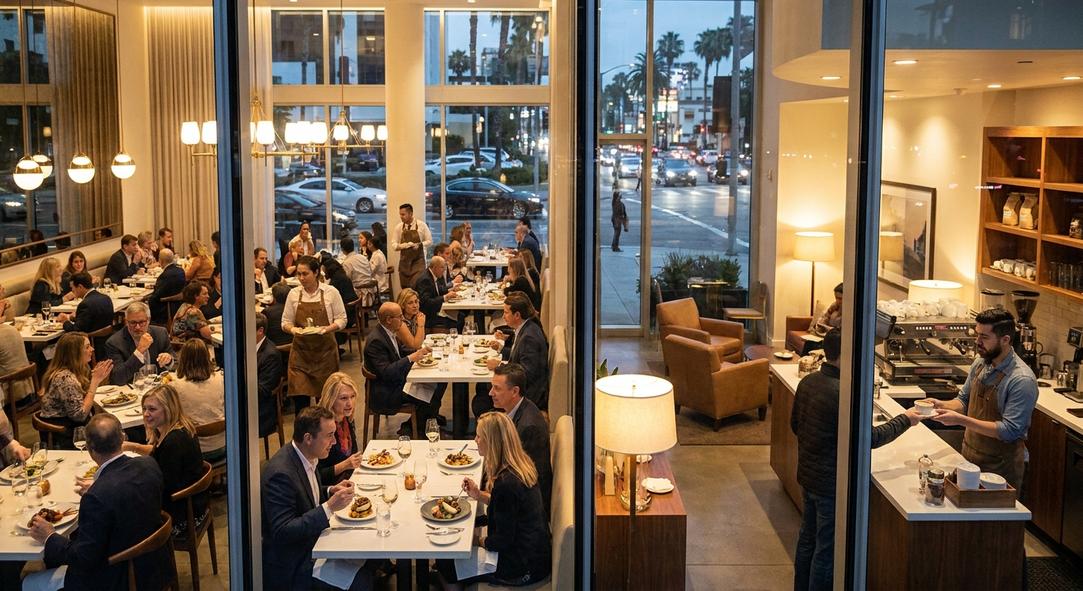
In Los Angeles, the hustle and bustle of restaurants serve a dish far richer than just the culinary delights on offer. The city’s vibrant dining scene, teeming with flavors from across the globe, now anchors a surprising focal point in the ongoing mayoral race. But why, you might ask, are restaurants suddenly at the forefront of political discourse? 🤔
Consider the irony: a city renowned for its glitzy Hollywood allure finds itself grappling over the humbler realms of dining tables. Restaurants have become a hotbed of debate, not just for what they’re serving, but for what they represent—a microcosm of broader societal issues such as labor rights, economic policies, and gentrification. Like a tempest beneath a tranquil ocean surface, the undercurrents here stir with profound implications. 🌊
A Tale of Two Economies
The restaurant industry in Los Angeles presents an antithesis, a paradoxical tale of thriving success juxtaposed against precarious survival. On one hand, celebrated dining spots are flourishing, drawing crowds and igniting economic momentum. On the other, a starkly different reality unfolds—small, independent eateries battling skyrocketing operational costs and an unpredictable labor market.
The challenges faced by restaurateurs manifest in curious form; like trying to balance on a trapeze wire as the winds of policy shifts and economic turmoil blow fiercely. Will these places, that provide both livelihood and life, tilt towards prosperity or plunge into obsolescence?
Labor: The Unseen Ingredient
As candidates vie for control, labor emerges as a poignant theme. The mayoral race has inadvertently turned into a stage where employment practices are scrutinized. The question looming is reminiscent of Hamlet’s existential quandary: “To pay or not to pay livable wages, that is the question.” The fine dining sector, much like a delicate soufflé, is at risk of collapsing under the weight of unresolved labor disputes.
Building Communities or Breaking Them Apart?
The role of restaurants in local communities is as divisive as it is uniting. On one end, they are cultural melting pots, symbolizing diversity and social interchange. On the other, the gentrification that follows booming restaurant scenes often displaces long-standing residents—a phenomenon as discomforting as a hair found in your soup.
- Economic Growth: Restaurants contribute significantly to local job creation and attract tourists, boosting the local economy.
- Social Impact: They serve as communal hubs where ideas and cultures mix, fostering inclusivity.
- Challenges: Rising rents and property values linked to popular eateries can drive out lower-income families.
- Dichotomy: The increase in upscale dining does not necessarily equate to an increase in community belonging.
As the aroma of this issue wafts through the political debate, candidates are forced to confront these complexities. Can they serve a solution that balances economic vitality with sustainable community development?
A Personal Digression on My Favorite Local Haunt
On a lighter note, if you’ll indulge a brief detour from the serious, I fondly recall a small café tucked away in Silver Lake where I’ve spent many a weekend, lost in coffee fumes and conversation. It’s those quaint spots, where the barista knows your usual and nods to the rhythms of your routine, that stir an emotional connection as potent as your morning espresso.
Mayoral Candidates: Who’s Ready to Take the Order?
In this high-stakes race, each candidate approaches this issue with their unique recipe for success. Whether it’s proposing subsidies for sustainable eateries or enforcing stricter labor laws, the solutions being offered are as varied as a Los Angeles tasting menu.
Analysis: Mayoral hopefuls are not just elected officials; they are emerging as culinary critics, blending civic duty with gastronomic policy. The choice ultimately rests with the city’s inhabitants—will they prioritize a candidate who sees these establishments as more than just places to eat, but as essential cogs in the machinery of urban life?
In essence, the restaurants of Los Angeles serve more than meals; they serve as a reflection of our times and values. The mayoral candidates must therefore not only present appetizing policies but also cultivate an environment where not just restaurants, but all segments of the city, can thrive. The recipe for success is complex, demanding both innovation and a deep respect for tradition.
Like the perfect soufflé, the right policy must rise to meet the occasion—a task light as air yet carrying the weight of expectation.