


“`html
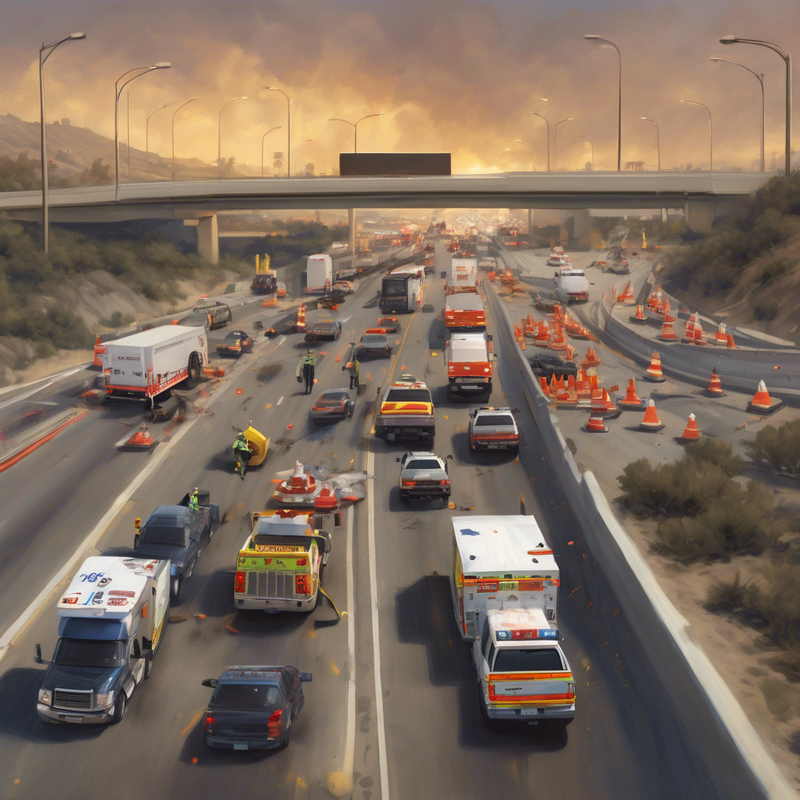
Lanes Closed After Person Struck by Car on 110 Fwy 🚧🚑
In a scene reminiscent of a darkly ironic comedy, lanes on the bustling 110 Freeway were shuttered following a pedestrian being struck by a vehicle, turning the routine chaos of city driving into a bitter reminder of road safety’s glaring inadequacies. Traffic backed up, not due to an accident involving multiple vehicles, but because of the tragic consequence of urban design often neglecting the pedestrian’s plight. One begins to wonder: in a city notorious for its car-centric infrastructure, is the real tragedy not just the accident itself, but the system that allows it? 🚗💔
The Incident: Causes and Impact
On the late morning of a typical Los Angeles day, the 110 Freeway became the stage for an all-too-frequent tragedy. Initial reports indicate that the pedestrian, a 30-year-old local resident, was attempting to cross the freeway—a bold move reminiscent of David charging at Goliath. What could possibly compel someone to venture into such a potentially deadly expanse? Perhaps the lack of safe crossing options? The absence of adequate pedestrian infrastructure is not just a matter of poor planning but also a reflection of societal neglect for the most vulnerable road users. 🏙️
According to data from the National Highway Traffic Safety Administration (NHTSA), pedestrian fatalities have risen by 35% over the past decade nation-wide. The irony that these statistics live amongst the sprawling highways and concrete jungles of American cities speaks volumes about our collective priorities.
The aftermath of the accident brought a cascade of traffic snarls, with rush-hour commuters left to contemplate the fragility of their own safety while idling in their vehicles. How often do we reflect on our roles as drivers within this tapestry of urban mobility? The scenario raises profound questions about accountability and the boundaries of acceptable risk on our roads.
Broader Implications: A City’s Dilemma
This singular incident serves as a poignant entry point into a much larger discourse on urban design and safety. How many more tragedies must occur before the city reconsiders its approach to pedestrian safety? Cities like Amsterdam, where cycling and pedestrian accessibility reign supreme, stand in striking antithesis to Los Angeles—where driving is akin to being part of a gladiatorial game, with pedestrians often cast as the hapless spectators. 🚴♂️🌍
- Urban Planning Priorities: It is profoundly ironic that a city striving for sustainability has yet to prioritize infrastructure for all its citizens, regardless of their mode of transportation.
- Public Awareness: Each pedestrian death illuminates the need for heightened public consciousness regarding road safety, sparking conversations that too often fade after the news cycle subsides.
- Policy Reform: Will this tragedy finally galvanize local authorities to enact stricter traffic laws and invest in pedestrian-friendly road designs? Only time will tell.
Possible Solutions: Rethinking Urban Mobility
As we navigate the lanes of this city, it isn’t enough to merely express our grief. Real change requires engaging with the culture of driving that permeates our urban fabric. Evoking the spirit of community, could we embrace measures such as the establishment of safer crosswalks and improved signage, much like painting a vibrant mural in an otherwise dull alleyway? 🎨🛣️
Additionally, the implementation of traffic calming measures—think lower speed limits and speed bumps—can transform the atmosphere of our roadways, making them less perilous for the less fortunate among us. After all, a pedestrian-friendly city is a city that values life itself.
A Call to Action
As we digest the news and reflect on the impact of this tragic accident, consider this: each of us plays a role in advocating for safer streets. Will we remain passengers—or will we steer society toward a safer future? With pedestrian fatalities escalating and a growing number of road users, the time for change is now. 🌆✨
In conclusion, navigating this tragic incident prompts us not to just mourn but to mobilize. It’s time to demand change—because every fatality should be the last, challenging us to rethink who our roads are truly for and ensuring that they are safe for everyone, regardless of their mode of travel.
“`
I cant believe pedestrians are still getting hit on freeways! Time for some serious safety upgrades and better city planning.
I think installing barriers could prevent such accidents. Safety first, right? Lets not wait for another wake-up call! 🚗🚦
I think we need more pedestrian bridges over freeways. Its a no-brainer to prevent tragic accidents like this! 🚶♂️🌉